Hip Internal Rotation PAILs/RAILs (90/90)
Mobility

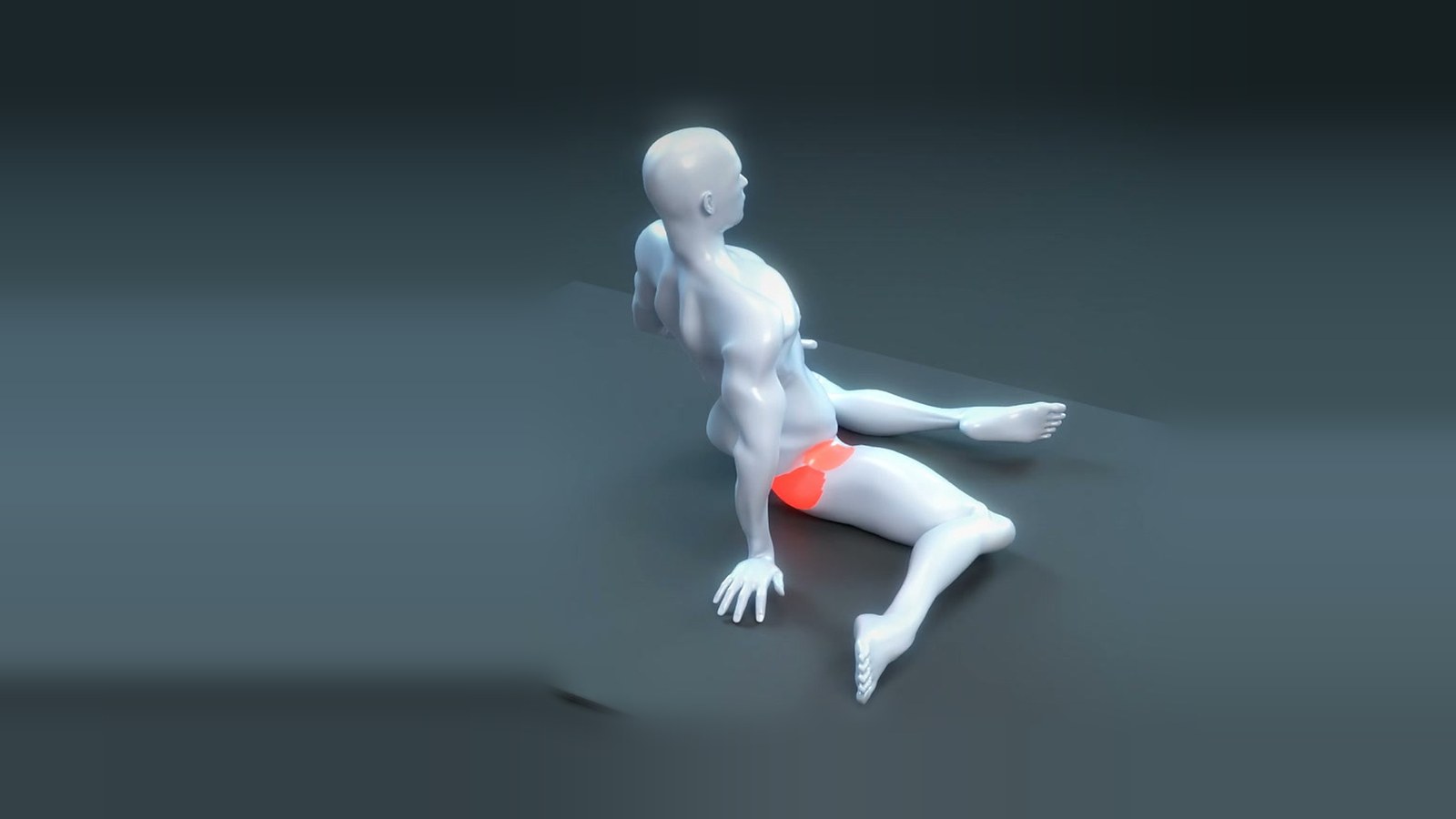
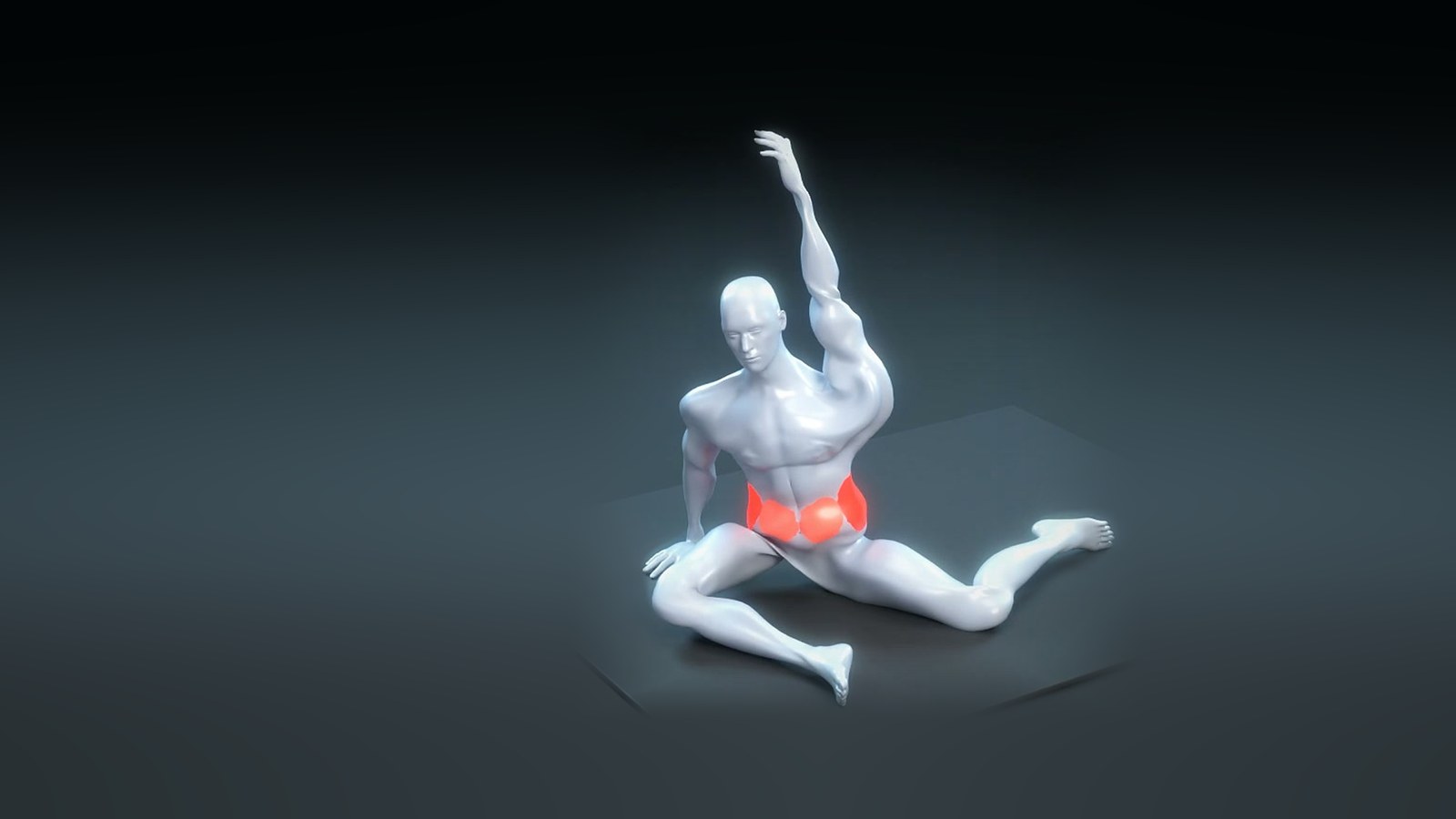
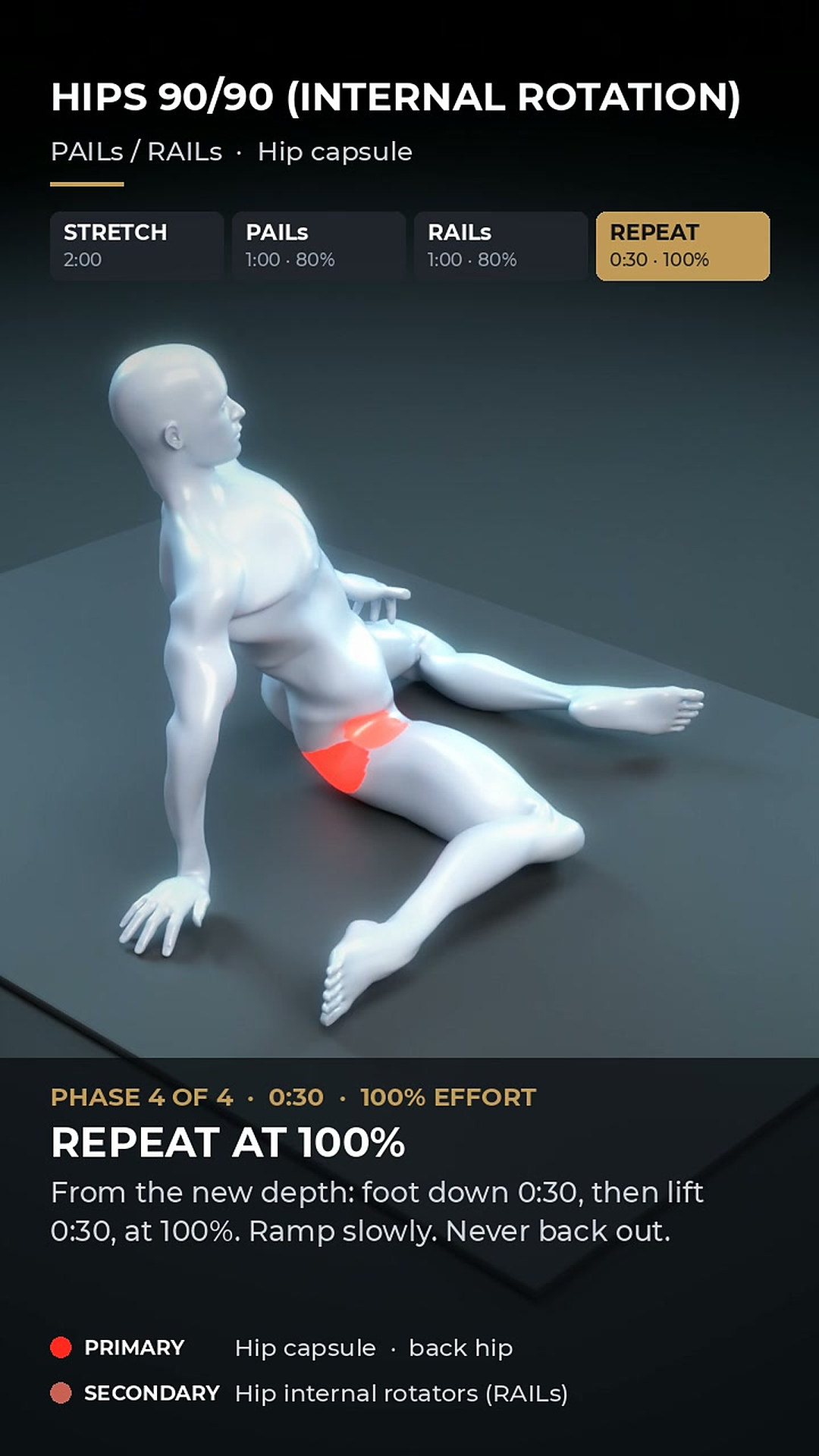
Hip internal rotation PAILs/RAILs (90/90) is a seated drill: you sit in a 90/90 position, lean back and rotate toward the back leg, then contract into that stretch in two directions. It is used to train the back hip to control internal rotation at end range, working the deep hip capsule and the hip internal rotators. The protocol is a 2:00 stretch, PAILs for 1:00 at 80%, RAILs for 1:00 at 80%, then a repeat at 100%: 0:30 foot down and 0:30 lift. Hip internal rotation is one of the things we assess when someone comes in with hip pain or lower back pain.
I'm Sam Pitcairn, founder of Essential Strength. This is the 90/90 hip drill from our demo screenshots, with the same headings, times and effort levels you see on screen.
PAILs stands for Progressive Angular Isometric Loading: once you're in a stretch, you contract the tissue being stretched without changing position. RAILs stands for Regressive Angular Isometric Loading: you contract the muscles on the opposite side of the joint to pull yourself deeper into the range. Both are holds, so the position stays the same while the effort changes.
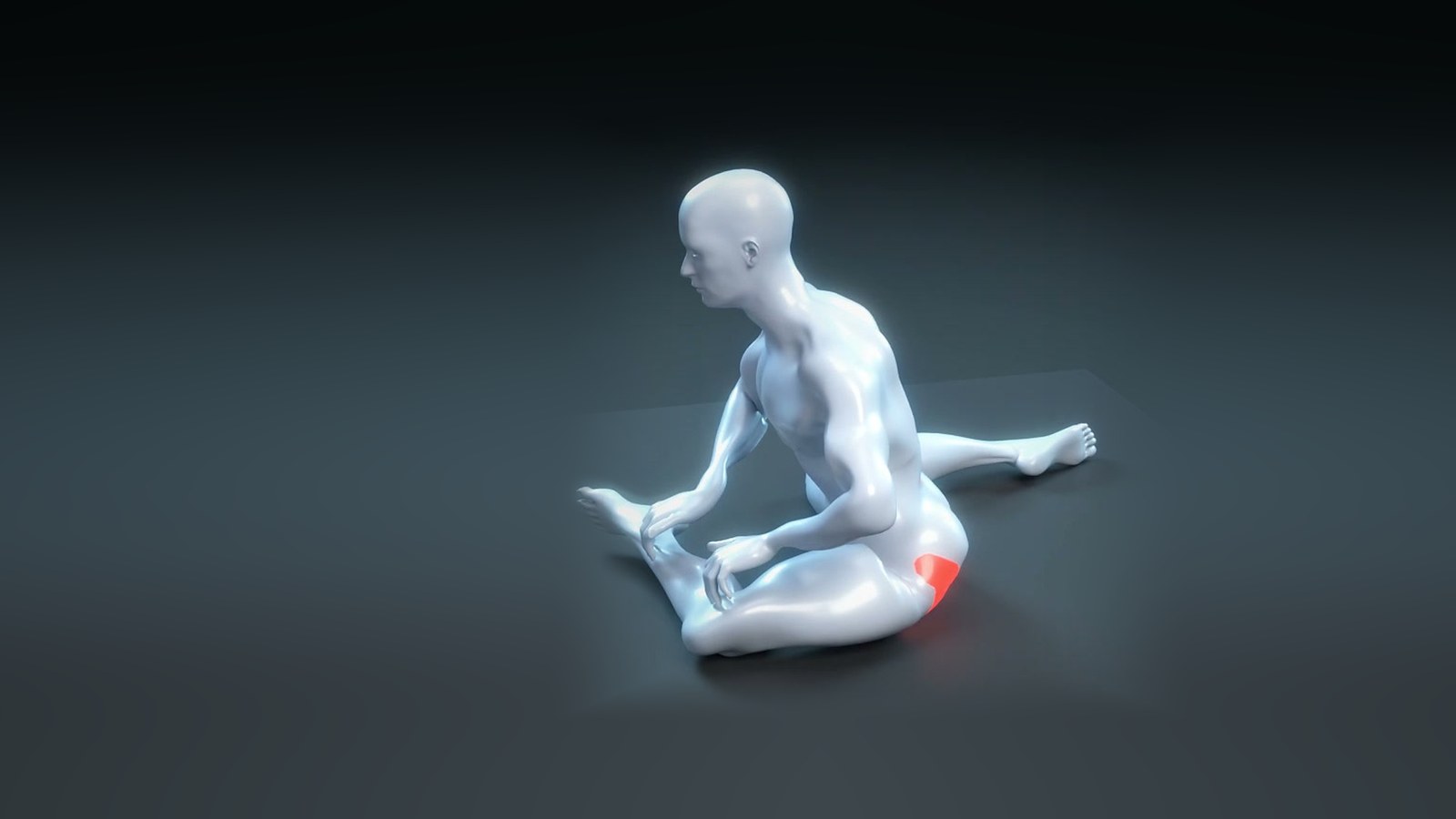
Sit on the floor in a 90/90. The front (lead) thigh points straight ahead with the shin across your body. The back (trail) thigh goes out to the side with the shin pointing back. Aim for roughly 90° at both knees.
The back knee and shin rest flat on the floor. That back hip is the one being stretched. In the demo screenshots the hand on the back-leg side is on the floor behind the hip to support the lean, and the other hand rests on the front thigh.
The four steps are the four phases of the protocol: stretch, PAILs, RAILs, repeat. Hold your depth the whole time.
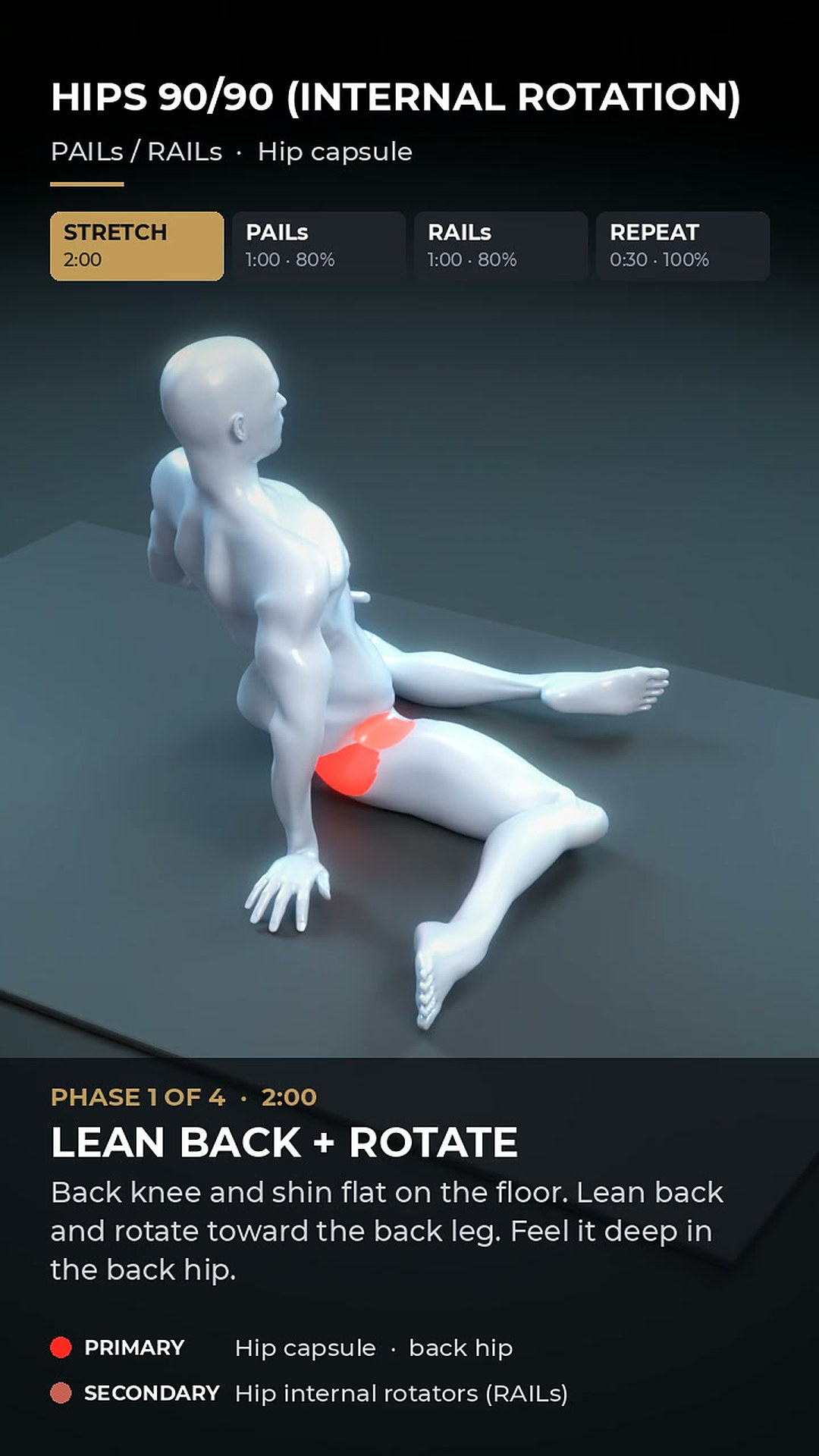
PHASE 1 OF 4 · 2:00
Back knee and shin flat on the floor. Lean back and rotate toward the back leg. Feel it deep in the back hip.
PHASE 2 OF 4 · 1:00 · 80% EFFORT
Push the back foot down into the floor, rotating at the hip. Ramp the tension slowly. Don't back out.

PHASE 3 OF 4 · 1:00 · 80% EFFORT
Lift the back foot up, rotating at the hip, and sink deeper. Ramp slowly. Don't back out of the stretch.

PHASE 4 OF 4 · 0:30 · 100% EFFORT
From the new depth: foot down 0:30, then lift 0:30, at 100%. Ramp slowly. Never back out.
Effort is how hard you contract compared with your maximum. Build to it slowly in every phase, including the 100% phase.
CARs are meant to be done in addition to PAILs/RAILs. After this protocol, follow with hip CARs to map the joint, taking the hip through the range you just worked. Hip CARs also fit before warm-up sets or between warm-up sets.
Stop if you feel pinching or sharp pain in the hip or groin, and see a clinician before continuing.
Primary: Hip capsule · back hip. This is the deep tissue you feel in phase 1 and the area you're contracting into in PAILs.
Secondary: Hip internal rotators (RAILs). These are the muscles that lift the back foot by turning the thigh inward and pull you further into the stretch.
Turning, pivoting and rotational sports all ask the hip to rotate, so hip internal rotation is one of the things we assess with hip pain or lower back pain.
At Essential Strength in East Liberty, this drill may be part of post-rehab training once you're cleared. It is used to train hip rotation control, not to treat pain. If you have pain now, get assessed first. Related reading: don't get back surgery and why your sciatica won't go away.
Hip internal rotation matters in rotational sports. I covered how it connects to golf and low back stress in your golf swing is destroying your back, which mentions this same 90/90 drill.
If you spend most of your day seated, start with hip CARs to see what range you control, and read posture and injuries after finals week. The same four-phase protocol is used for the ankle in ankle dorsiflexion PAILs/RAILs. Every drill is on the mobility drills hub.
Drills like this can show up in sports performance training and post-rehab personal training.
In PAILs you push the back foot down into the floor, contracting the stretched tissue. In RAILs you lift the back foot up, using the hip internal rotators to sink deeper into the position.
The back hip. With the back thigh out to the side and the shin pointing back, that hip sits in internal rotation, which is why you feel this drill deep in the back hip.
No. A strong, deep stretch and hard effort are normal. Pinching or sharp pain in the hip or groin means stop and see a clinician.
After. Do the PAILs/RAILs first, then CARs for that joint to map it through the range you just worked. CARs can also be done before warm-up sets or between warm-up sets.
Hip internal rotation is one of the things we assess with lower back pain, alongside everything else.
Credits: This drill follows the 90/90 hip PAILs/RAILs from Baseball Development Group. CARs and PAILs/RAILs are terms from Functional Range Systems (Functional Range Conditioning® / FRC® and Kinstretch®); Essential Strength is not affiliated with or endorsed by Functional Range Systems.
Want your hip rotation checked? Book a free consultation and assessment at our East Liberty facility.
After you submit this form we will be in contact within 24 hrs to set up an appointment to come into our East Liberty location for a performance assessment.