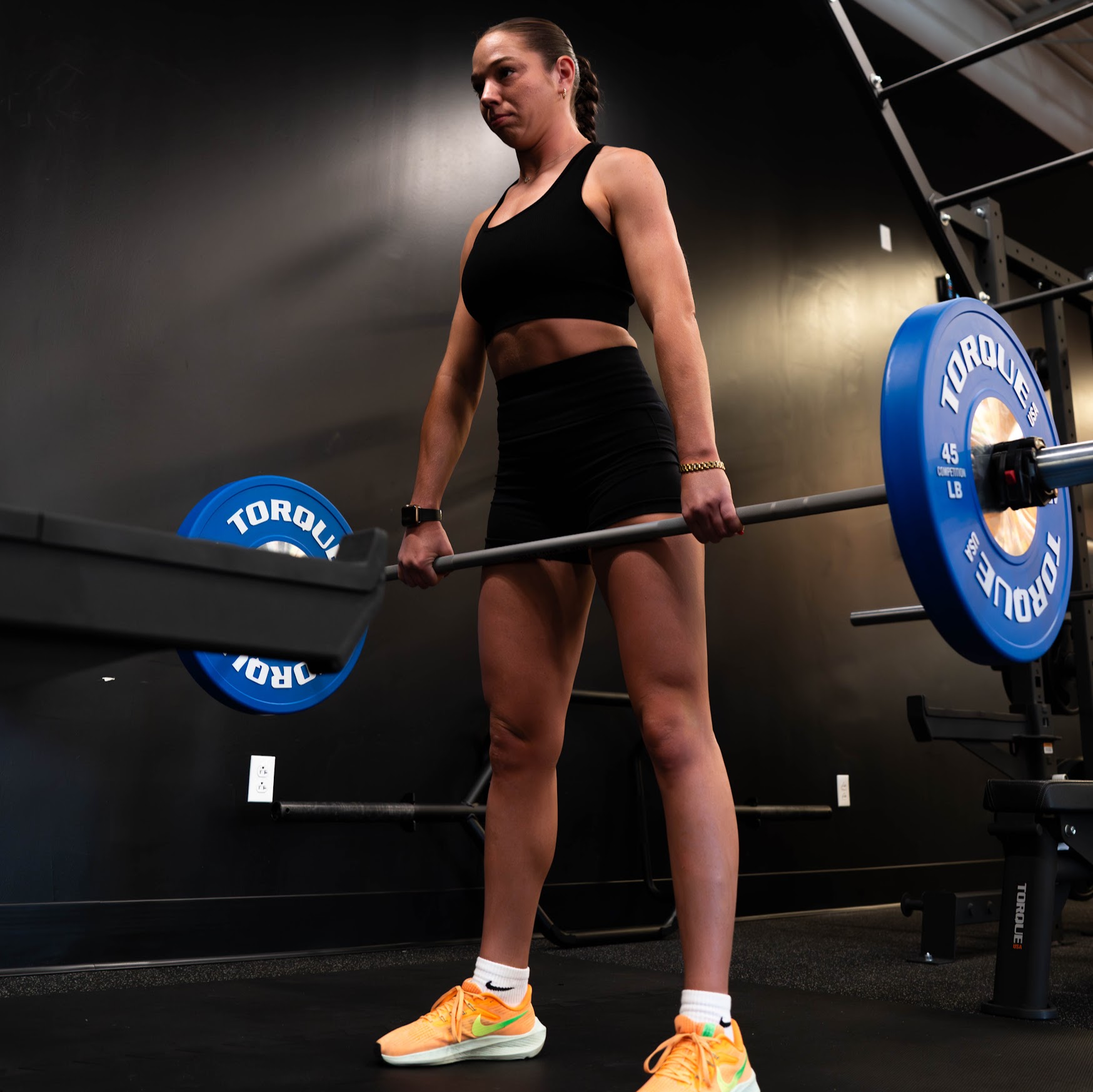
Semi-Private vs. One-on-One Training: Why We Don't Do 1-on-1
Training
%20(2).png)
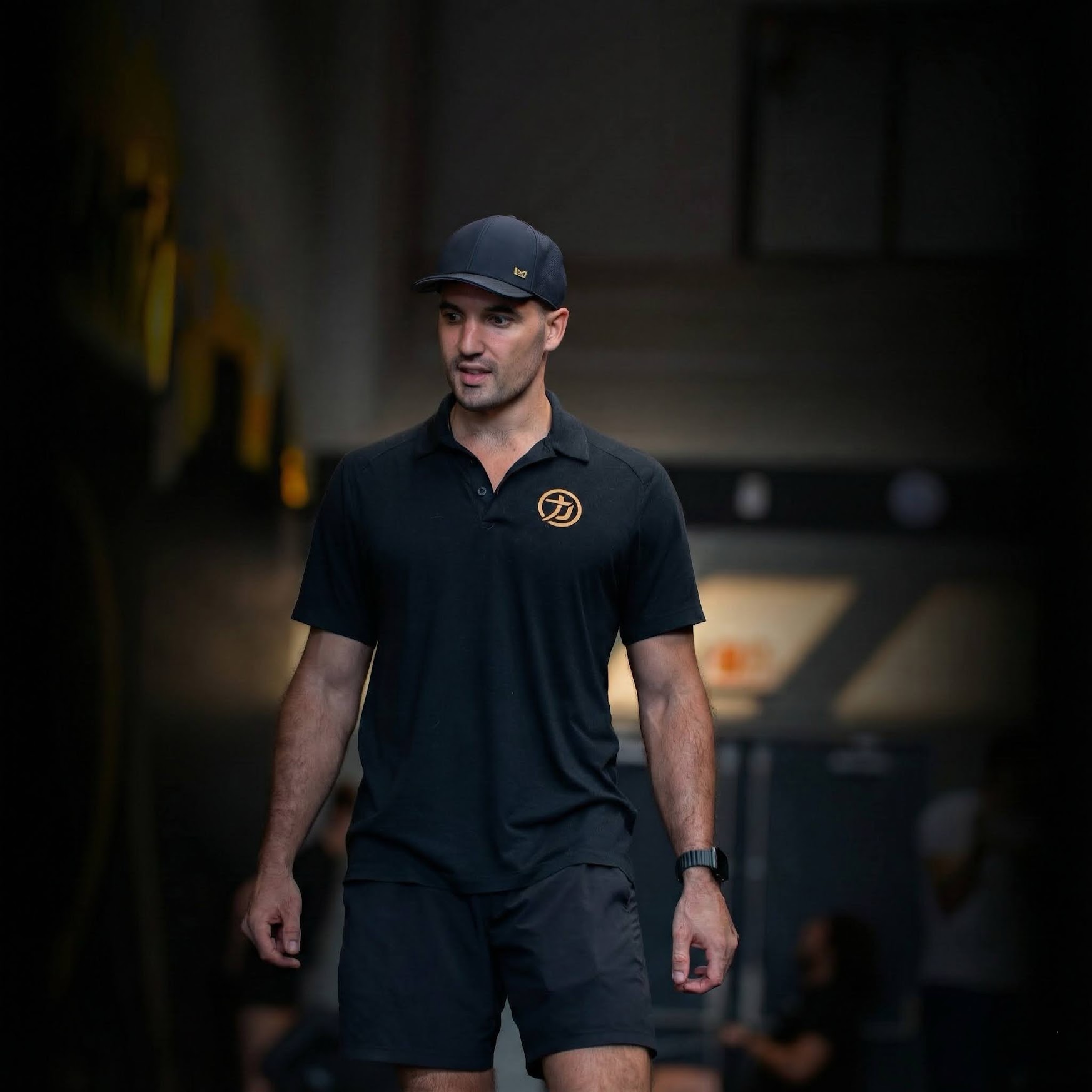
Almost everyone who walks into our gym for the first time asks the same question: "Do you do one-on-one training?"
The answer is no. And about ninety percent of the people who ask end up signing up anyway — because once they see what we actually do, they realize one-on-one was never what they wanted. It was just the only thing anyone had ever offered them.
This post is the explanation I give in the room. If you're deciding between a personal trainer and us, read this first.
Here's the thing nobody says out loud about personal training.
When you hire a one-on-one trainer, you're paying for two things bundled together: their expertise and their time. The expertise is what gets you results — knowing what's actually limiting you, what to do about it, and in what order. The time is a body standing next to you for sixty minutes counting reps.
In Pittsburgh, that bundle costs $60 to $150 an hour. And most of what you're paying for is the time. A trainer's knowledge doesn't get used up when they share it with you. Their hour does. So the price is set by the scarce thing — the clock — not by the valuable thing.
Semi-private unbundles that. You pay for the expertise: the assessment, the program written specifically for you, the coach's eye on every first set. You don't pay for someone to stand next to you while you rest between sets. That's the entire reason it costs less, and it's also the reason it works better — because a coach who isn't counting your rest is free to actually teach you.
Think about what you actually want out of this. Not a workout — you can get a workout anywhere. You want to walk into any gym, for the rest of your life, and know exactly what to do with your body.
A trainer who does everything for you can't give you that. If they pick the exercise, set the weight, count the reps and watch the clock, you've outsourced all of it. Twelve months later you're stronger, but you know exactly as much as you did on day one. The moment they leave, you're lost.
Our model forces the opposite. Because your coach is working with four people, they can't do everything for you — so they teach you to do it. Why this exercise. Why this tempo. Why your rest is ninety seconds and not three minutes. What your hips are doing wrong and how it'll feel when they're right. You set your own timer. You learn to feel a good rep from a bad one.
That's not a compromise we make because of the ratio. It's the point.
Here's how we run it. One coach. Four clients. One hour. Four completely different programs.
That last part is the whole thing, and it's where most gyms that say "semi-private" fall down. They put four people in a room, run the same workout at four different weights, and call it personalized. It isn't. It's a small class with a bigger price tag, and you can tell within a week.
At Essential Strength, every single person on the floor is running a program written for them, off their own assessment. The woman next to you might be rebuilding after knee surgery. The guy across the rack might be a college athlete adding inches to his vertical. You might be here to lose 30 pounds and stop your back from hurting. Same room, same hour, same coach — three totally different sessions.
How does one coach manage that? It comes down to a few structural things we've refined over five thousand-plus times running this:
I get it. Let me tell you about Megan.
Megan is 83. She had only ever trained one-on-one, and she was adamant about it. We ran her first session, and at the end she told me she'd learned more in that hour than in years of having a trainer to herself.
Not that she worked harder. That she learned more. Nobody had ever explained to her why she was doing the things she was doing. She'd been relying entirely on someone else's knowledge to keep her safe. For the first time, she was being taught — and she liked being equipped instead of managed.
An 83-year-old woman with every reason to want a coach's undivided hand on her arm chose to be taught instead. That's the argument for the model, and it isn't an argument about price.
Here's what's actually happening in a semi-private hour. Because your program is individualized, you get more attention on the things you specifically need. First time doing a movement? You get heavily coached through it. Fourth time? You get a look and a cue, because you've got it. A trainer spreading attention evenly across a one-on-one hour is either under-coaching the new stuff or over-coaching the stuff you already know. We dose it by what you actually need.
And here's the part nobody talks about. Our coaches are paid by the hour, not by whether you personally stay. That sounds like a detail about our payroll. It's not — it changes how you get coached. A trainer whose rent depends on you renewing has a quiet incentive to keep you comfortable: let the plan slide when you push back, skip the correction that might annoy you. Our coaches have no such incentive. They can tell you the thing you don't want to hear, because nothing about their paycheck depends on you liking it. You get coached instead of managed.
This is the part people underestimate until they've lived it.
When you buy a trainer's time, your session only exists where your calendar and their calendar overlap. You want Tuesday at 6? They have Thursday at 2. They get sick, go on vacation, or leave the gym? Your training stops. You didn't sign up for a calendar problem, but that's what you bought.
When you buy expertise instead, the schedule opens up. We're open 6:30 in the morning to 6:30 at night, and you can book any start time in between. Not "whenever your trainer is free." Any hour. Come at 6:30am Monday, noon Wednesday, 5pm Friday. Skip a week for a trip and come back to the same program.
That's possible because you're not booked with a person — you're booked into an hour. Whoever is on the floor when you arrive, your program is written by me, and you get the same session you'd have gotten with anyone else on the team. If a coach is sick, on vacation, or moves to another city, nothing about your training changes.
I'll be direct about this, because people appreciate it.
A top one-on-one trainer in this city will run you $100 to $150 an hour, and you're paying that rate for the clock. Our semi-private clients pay meaningfully less per session — and I'd argue they get more of the thing that matters: an individualized program off a real assessment, a coach in the room for every rep, correction on every first set, twelve bookable hours a day, and an education they keep for the rest of their lives.
You pay less. You don't get less. You get the expertise without renting the hour.
I'll give you the exact number in your consultation, because it depends on which program is right for you — but it will be less than you're expecting if you've been pricing personal trainers.
Your first session is one-on-one. Just you and me, or you and Josh. We assess how you move, find the thing that's limiting you, fix it in the room, and measure the difference — so you feel it before you decide anything. Then we talk about whether the program fits.
If it does, everyone starts on the same six-week program. Three weeks building the positions your body needs, three weeks integrating them into real lifting. By the end, you can squat, deadlift, press and pull properly, and you need far less coaching than you did on day one. That's when the program stops being an on-ramp and becomes your training.
Caroline came to us recovering from surgery, convinced she needed one-on-one. Six weeks later she didn't want it anymore. She'd learned to train. What she wanted from us was to keep her safe and keep progressing her — and that's exactly what the floor is built to do.
If you've been putting off a personal trainer because of the price or the scheduling, this is the version that solves both. Book a free consultation and let's see how you move.
After you submit this form we will be in contact within 24 hrs to set up an appointment to come into our East Liberty location for a performance assessment.